Topic 6: MUTUAL FUNDS: SUSTENANCE
In May 2026, the Indian mutual fund industry, commanding over ₹70 lakh crore in assets under management (AUM), underwent a major operational overhaul. Fund houses aggressively adapted to the newly enforced SEBI (Mutual Funds) Regulations, 2026,
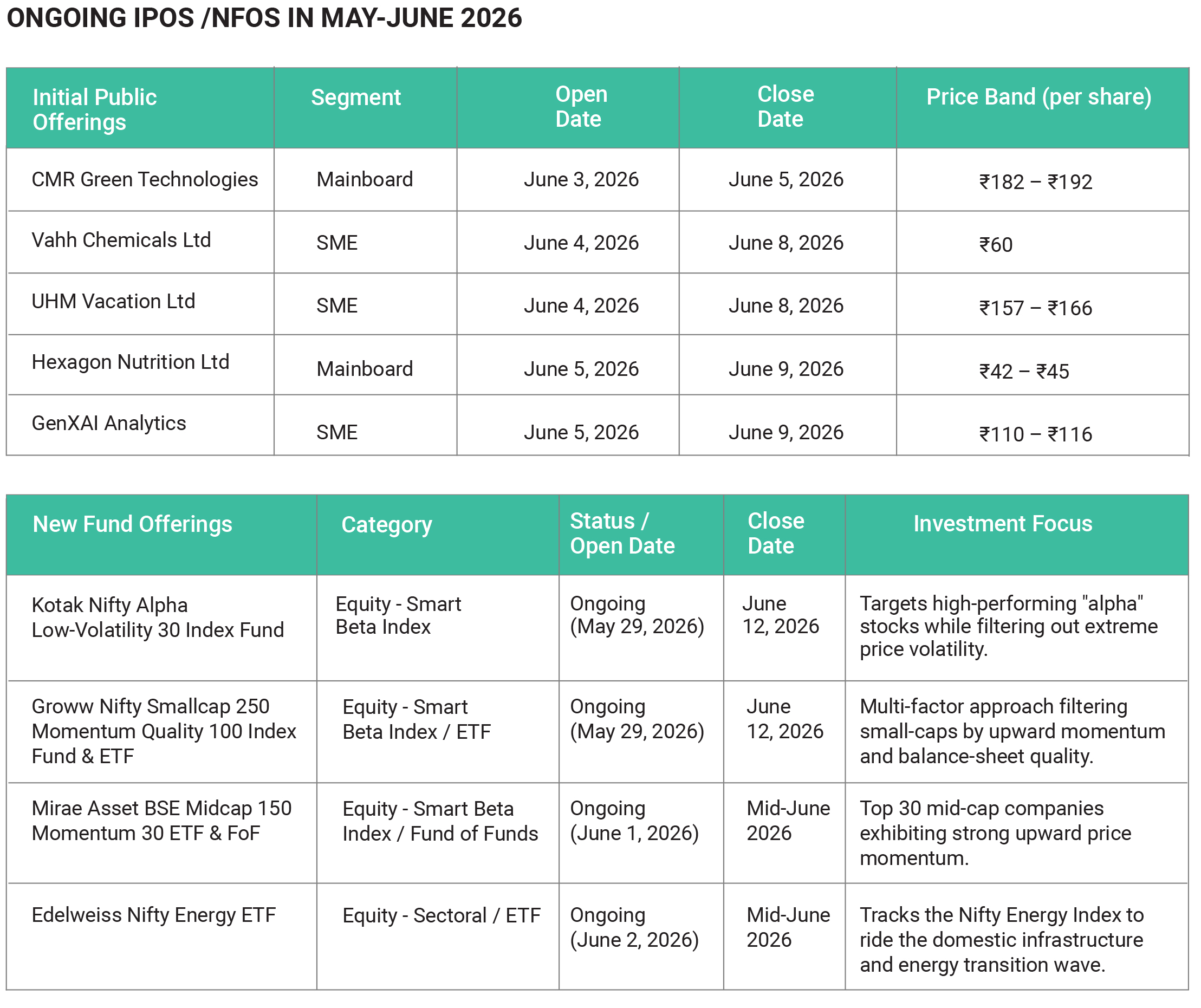
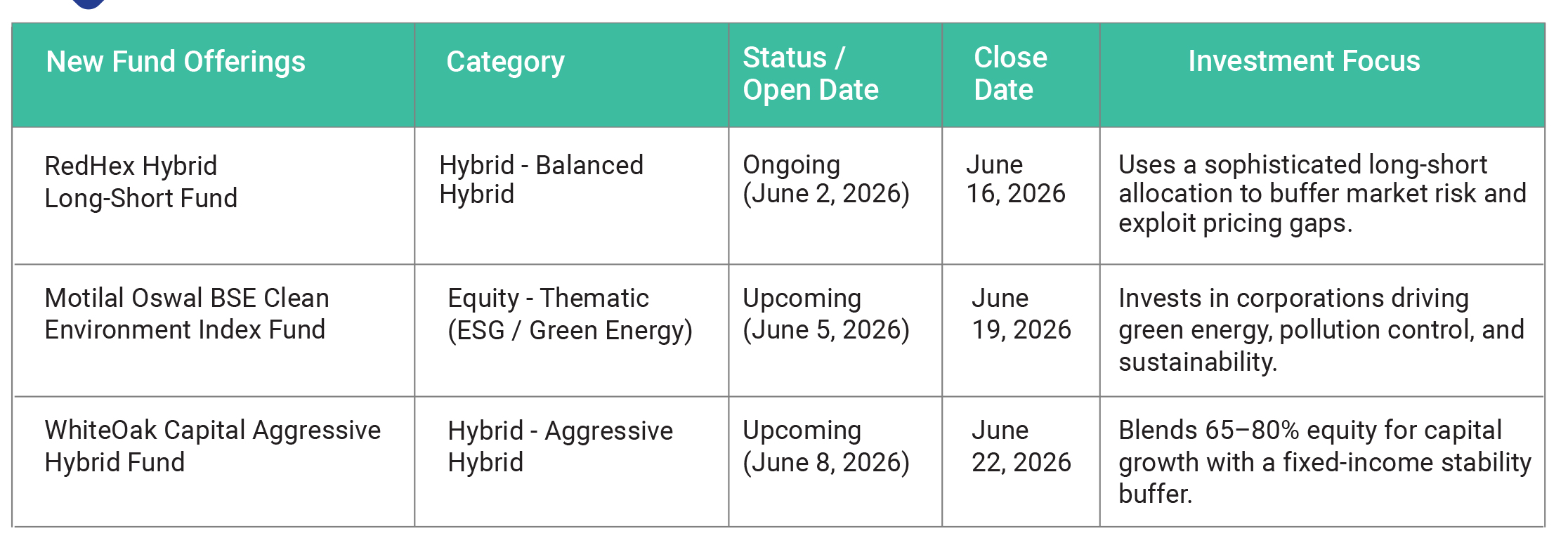
which introduced sweeping structural changes aimed at increasing transparency and curbing retail mis-selling. A primary focus for Asset Management Companies (AMCs) was transitioning to the Base Expense Ratio (BER) framework. Moving away from a consolidated Total Expense Ratio (TER), AMCs updated their billing architecture to isolate core management fees from external transactional costs like brokerage, STT, and stamp duties. This separation explicitly reveals what investors pay for active fund management versus trading friction. Simultaneously, fund managers spent the month rebalancing portfolios to eliminate product duplication. Under strict new mandates, an AMC's thematic or sectoral equity schemes are now legally barred from sharing more than a 50% portfolio overlap with its other existing equity funds. Marketing strategies also saw a massive shift as SEBI forced the retirement of generic, "goal-based" labels. Traditional marketing gimmicks like "Children's Benefit" or "Retirement Plans" were completely phased out. In their place, the industry pivoted toward Life-Cycle Funds, which utilize scientific, age-based asset allocation that systematically de-risks by scaling down equity exposure over time. To combat intense market volatility, equity managers heavily utilized enhanced macro-buffers. A new regulatory provision allowed them to allocate up to 35% of non-equity assets into gold and silver ETFs, creating vital internal safety nets. Despite this heavy regulatory restructuring, the market remained active. The month closed with a notable surge in targeted New Fund Offers (NFOs), prominently led by passive thematic entries like the Kotak Nifty India Defence Index Fund and the HDFC Nifty Auto Index Fund.